The Problem With Finding a Mold Contractor You Can Trust

Here's something most people don't think about until they're staring at a mold problem: there's no single, reliable way to check whether a mold contractor is actually qualified.
You can Google them. You can read reviews. But when it comes to the one thing that matters most — whether they hold a valid, active license to do this work in your state — you're mostly on your own.
State license databases exist, but they're scattered across different agencies, formatted differently in every state, and some are barely functional. In one state, you search by license number. In another, by business name. In a few, the database is a PDF you have to download and search manually.
We know because we've scraped all of them.
What We Found When We Checked 19,600 Contractors
When we built Verified Remediation, we didn't start with contractor sign-ups. We started with state databases.
We wrote scripts to pull license records directly from government sources — Florida's DBPR, Texas's TDLR, New York's DOL, and dozens more. Then we cross-referenced that data with Google Places to add phone numbers, ratings, and reviews.
Some things we learned along the way:
Licensing requirements vary wildly. Florida requires separate licenses for mold assessors and mold remediators — and prohibits the same company from doing both on the same job. Texas requires a mold license through TDLR. Many states? No specific mold license at all.
A surprising number of contractors let licenses lapse. We check daily, and we regularly find licenses that expired without renewal. These contractors are still running ads, still showing up in directories, still taking jobs. On our platform, they get flagged or hidden.
Reviews alone aren't enough. A contractor can have great reviews and an expired license. Or a valid license and zero online presence. You need both data points to make a good decision.
Why Other Directories Don't Do This
Most contractor directories — you know the ones — work on a pay-to-play model. Contractors pay to be listed, and homeowners submit their information to get matched. The directory's incentive is to list as many contractors as possible, because more listings = more matches = more revenue.
Verification is expensive and time-consuming. Scraping state databases, normalizing messy government data, re-checking daily — it doesn't scale the way collecting sign-up fees does. That's why most directories skip it.
We decided to do it anyway, because the entire point of hiring a contractor for something like mold remediation is trust. And trust starts with knowing the basics are covered: license, insurance, track record.
How the Trust Tier System Works
Every contractor in our directory gets placed into one of three tiers based on what we can verify:
Tier A — Licensed + Insured + Rated (4.0+ stars, 5+ reviews). These are the contractors where everything checks out.
Tier B — Licensed + Insured. Credentials are solid, but they don't have enough reviews yet to be rated.
Tier C — Licensed. State license confirmed, but we haven't verified insurance or reviews.
If a contractor's license expires, is revoked, or can't be confirmed — they're hidden from the directory. No exceptions. We'd rather show you fewer options than include someone we can't verify.
Looking Ahead: Mold Season and What Homeowners Should Know
Spring and summer mean humidity, and humidity means mold. If you're a homeowner in the Southeast especially — Atlanta, Miami, Houston — this is the time to be proactive rather than reactive.
A few things worth doing now:
- Check your attic and crawl space. These are the spots where moisture problems develop unseen. A musty smell is the first warning sign.
- Fix leaks immediately. Mold can start growing within 24–48 hours of water exposure. That small drip under the kitchen sink isn't small.
- Know who you'd call before you need to. Having a verified contractor's name ready beats scrambling on a Sunday night when you discover mold behind the washing machine.
You can search our full directory by state and city — every provider listed has a confirmed license that we've checked against government records.
For homeowners who want to understand the process better, we've published guides on everything from what mold certifications mean to how much remediation typically costs. And for those who like to dig into licensing rules themselves, we keep a state-by-state licensing reference as well. We also wrote a short mold remediation cost explanation.
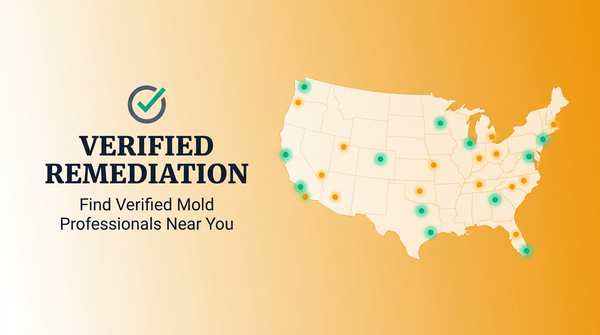
Verified Remediation is a free directory of 19,600+ verified mold professionals across all 50 states. We verify every license daily against state databases. Find verified contractors near you.